
Commercial roof scope, inspection, access planning, and documentation for commercial real estate and reits.
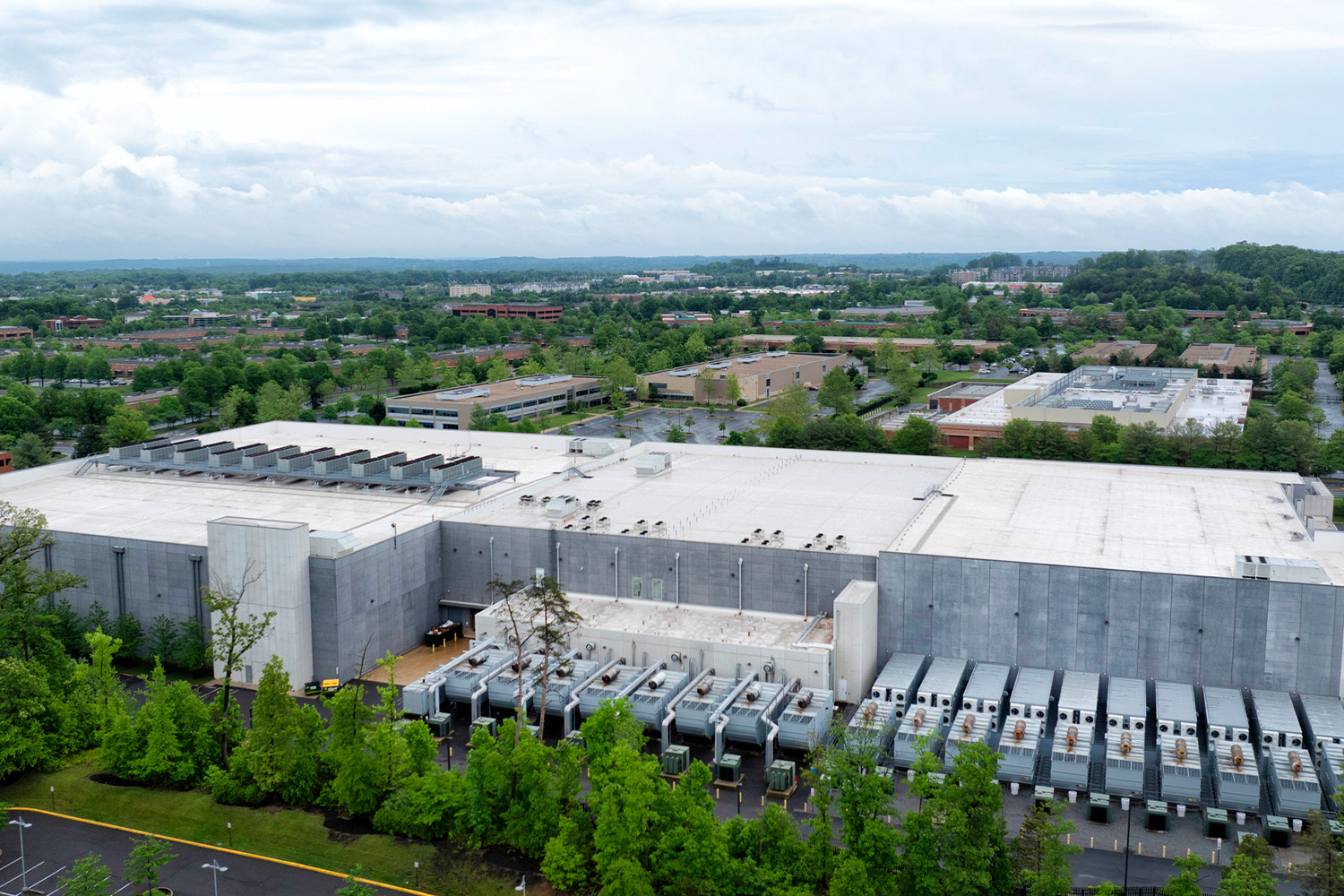
San Francisco sits at the heart of one of the world's most important telecommunications and colocation markets. The facility - known as one of the original carrier hotels on the West Coast - has been a hub of network connectivity since the early days of the commercial internet. Along with facilities at and the Equinix SV and SF campus network stretching from the city down the Peninsula, San Francisco's data center infrastructure represents billions of dollars in network investment that must be protected by building envelopes that perform without exception. The roofs covering these facilities are critical infrastructure, not commodity construction.
The companies anchoring San Francisco's technology economy - Salesforce, Dropbox, and dozens of other enterprise software platforms - operate substantial computing infrastructure in and around the city to support their globally distributed user bases. Whether housed in owned facilities, leased colocation space, or hybrid arrangements that blend on-premises and cloud infrastructure, these computing environments share a common requirement: the building envelope cannot be a source of risk. Our work on technology campus buildings in SoMa, Mission Bay, and the East Bay campus expansions follows the same mission-critical protocols we apply to purpose-built data centers.
San Francisco's climate presents a set of roofing challenges that differ significantly from most other major American data center markets. The combination of persistent marine fog, high humidity, and the dramatic temperature cycles driven by the daily onshore flow creates conditions that test membrane adhesion, seam integrity, and edge metal performance in ways that inland climates do not. Moisture vapor drives through building envelopes more aggressively in high-humidity environments, making vapor management a first-order design consideration rather than an afterthought. Our assemblies for San Francisco data center facilities include vapor retarder specifications calibrated to the actual vapor pressure differentials present in this climate.
The fog and marine moisture environment also affects the maintenance cycle for San Francisco roofs. Biological growth - algae and moss in particular - develops more aggressively on roof surfaces with consistent moisture exposure, and this growth can degrade certain membrane formulations over time if not addressed. Our maintenance program for San Francisco area facilities includes inspection for biological growth and treatment protocols that remove existing colonies and inhibit regrowth without damaging the membrane surface or introducing biocides that could compromise the warranty.
Seismic design requirements in San Francisco are among the most stringent in the nation, reflecting the region's well-documented earthquake exposure along the San Andreas and Hayward fault systems. Roofing assemblies on mission-critical facilities must be engineered to maintain weathertight performance through seismic events that can cause measurable building movement. We implement enhanced fastening patterns, flexible flashing details at penetrations and curbs, and edge metal systems designed with movement accommodation. These are not incremental cost additions - they are fundamental requirements for responsible commercial roofing practice in the Bay Area.
The density of high-value computing infrastructure in San Francisco creates a particular challenge for reroofing and restoration work: occupied building constraints are extreme. Carrier hotels like cannot be taken offline for envelope work, which means that every phase of a reroofing project must be planned and executed with the assumption that active network equipment is operating directly below the work area. We have developed phasing methods, temporary protection systems, and dust and moisture containment protocols that allow reroofing work to proceed on occupied colocation facilities without creating any risk to the equipment and connectivity infrastructure inside.
Energy efficiency considerations in San Francisco are shaped by PG&E's rate structure, which makes electricity significantly more expensive here than in most other data center markets. Cool roofing systems that reduce heat gain translate directly into reduced cooling energy consumption, and the city's aggressive sustainability mandates create additional incentives for high-reflectance membrane specifications. Our TPO and PVC system offerings exceed Title 24 requirements and qualify for the sustainability certifications that building owners in San Francisco need for compliance and reporting purposes.
The physical constraints of San Francisco's urban data center market - many facilities are in dense neighborhoods with limited staging areas, restricted crane access, and strict noise ordinances - require logistical planning that exceeds what most commercial roofing contractors are equipped to provide. We have extensive experience navigating these constraints, including after-hours delivery coordination, scaffold systems designed for constrained urban sites, and noise management approaches that satisfy both neighbor expectations and the operational requirements of the facilities we serve.
As the Bay Area's data center market continues evolving - with increasing investment in AI training and inference infrastructure driving demand for higher-density facilities with more intensive cooling requirements - the roofing scope on new construction and renovation projects will become more technically complex. We are investing continuously in our technical capability to serve this market, including training and certification for the latest membrane systems, energy modeling tools for cool roofing optimization, and project management software that gives our clients real-time visibility into project status.
Frequently Asked Questions: Data Center Roofing in San Francisco
Request A Roof Scope
Send the building location, roof concern, and access notes. We will respond with the next practical step.
Related Pages
Questions About Data Center Roofing
What changes the scope?
Access, wet insulation, deck repairs, edge metal, drain work, occupied-building constraints, disposal, and code documentation can all change the final path.
Can the building stay occupied?
Often, yes. The scope still needs rules for loading, noise, odors, tenant notices, daily dry-in, and emergency contact responsibilities.
When is coating realistic?
A coating is realistic only when the roof is dry, cleanable, compatible, properly detailed, and still structurally sound.
What should ownership receive?
A usable roof file should include photos, observed conditions, assumptions, near-term repairs, capital triggers, and the recommended next step.