
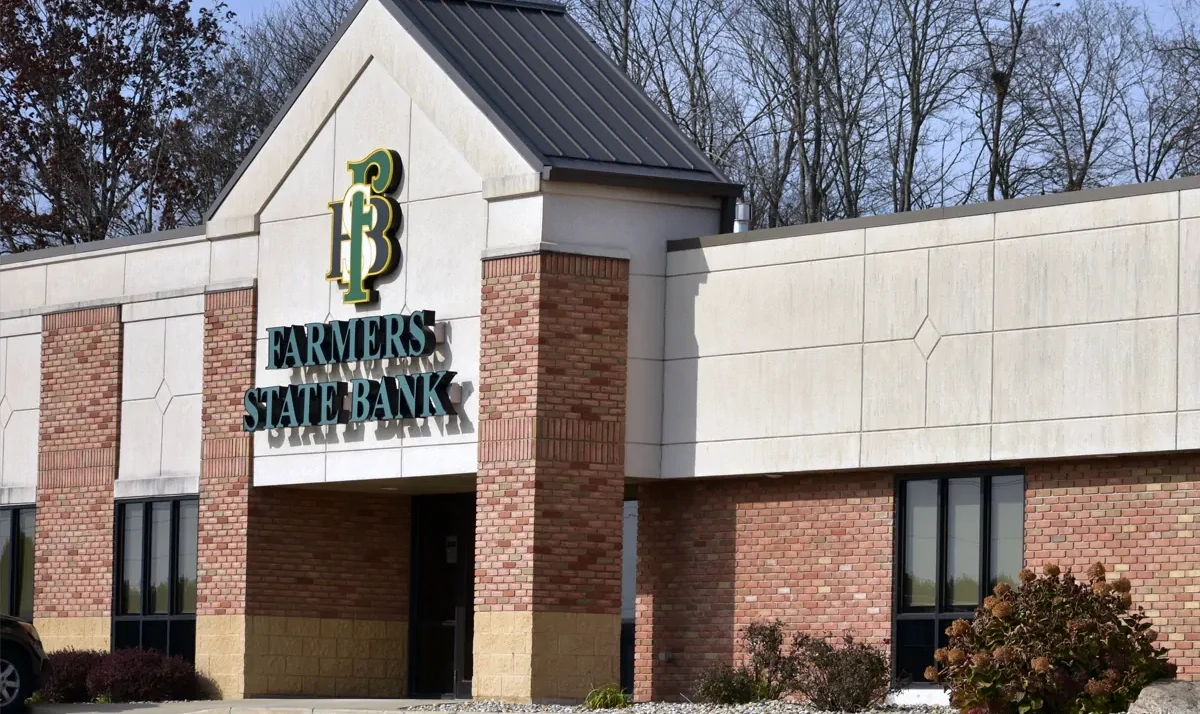
Small, high-visibility flat roofs and drive-through canopies done right - vault areas protected, crews security-cleared, and the branch open for business throughout.
Small roofs where a single drip is a real problem
A bank branch roof is usually not large, but it is unforgiving. The footprint sits over vaults, server and network rooms, and a customer floor where even a stain on the ceiling tile reads as trouble to the people deciding whether to trust the place with their money. Add in security protocols that govern who gets on the roof and when, and business hours that run six days a week, and a bank roof asks for a different kind of discipline than a warehouse ever will. We plan financial-building roofing in San Francisco around minimal disruption and zero water intrusion over sensitive space - the small size of the roof is the easy part.
San Francisco's financial buildings run from the high-rise corporate towers of the Financial District and the new Transbay core to the neighborhood branches scattered along Mission, Geary, Chinatown's commercial blocks, and the retail corridors of the Marina and West Portal. The downtown towers bring high-rise access and tenant coordination; the neighborhood branches bring tight sidewalk frontage, a drive-through on a corner lot, and a roof you reach over a busy public street. The setting changes the logistics, but the priorities - security, visibility, and protecting what is below - stay the same.
The drive-through canopy is where banks leak
If a bank branch has a chronic leak, the odds are it is at the drive-through canopy. That canopy is a separate little structure tied back into the main building wall, and that tie-in is brutal on flashing: it thermal-cycles in San Francisco's daily swing from fog to afternoon sun, it moves independently from the main building, it sheds water off two planes into one connection, and it catches overspray and grime from the cars beneath it. Standard field flashing details are not built for that combination. We treat the canopy-to-wall transition as its own scope item on every bank roof, inspect it separately, and re-detail it for the differential movement it actually sees - because replacing the field membrane alone never fixes a canopy leak.
More penetrations than the footprint suggests
For a small building, a bank roof is busy. Beyond the canopy, there is usually an ATM kiosk enclosure, a standby generator with a rooftop exhaust and transfer-switch room, and dedicated precision cooling for the server and network closets that has to run no matter what we are doing up top. Each of those is a discrete flashing condition, and the generator and IT cooling in particular cannot be casually taken offline. We document every penetration, curb, and clearance before pricing and write the critical-systems coordination into the plan rather than discovering it on tear-off day.
Security shapes the schedule as much as the weather
Financial buildings carry access rules most commercial properties do not. Contractor badging, escort requirements near vault-adjacent areas, advance crew vetting, and camera documentation of everyone on site are normal at bank-owned properties in San Francisco. None of that is a surprise we spring after signing - we build the security coordination timeline and crew credentialing into the bid, sequence work over vault zones during approved windows, and confirm with the security team that vibration or temporary access changes will not affect active operations. High-visibility appearance matters too: streaked parapets and rusty edge metal on a bank read as neglect, so visible metal is part of the scope.
How a branch reroof actually runs
- Active tear-off and installation concentrated in off-hours and weekends, with daily dry-in confirmed before the branch opens
- Drive-through canopy-to-wall transition inspected and re-detailed as its own scope item
- Generator exhaust, ATM kiosk, and server-room precision cooling documented and kept operational
- Vault and security-sensitive zones sequenced during approved windows with the security team's sign-off
- Crew badging, escorts, and camera documentation built into the schedule, not added after contract
Branch portfolios and community banks alike
Many financial institutions in San Francisco own or lease a network of locations under centralized real estate management. National account programs - the kind run by the large retail banks and credit-union networks - come with preferred-vendor registration, standardized scope documentation, and national pricing frameworks, and we work inside those structures for portfolio accounts. We also work directly with community banks and credit unions managing a single building. Both get the documentation a financial owner expects: insurance and license verification before mobilization, a preconstruction safety plan, daily work and dry-in reports, manufacturer warranty registered in the owner's name, and the final permit and inspection package.
Bank & Financial Building Roofing Questions
We concentrate active tear-off and installation in off-hours and weekends and confirm daily dry-in before the branch opens each morning. Work windows, noise limits during customer hours, and any security-escort requirements for roof access are coordinated with the branch manager and corporate facilities team before mobilization.
The canopy is a separate structure tied into the main building wall, and that connection thermal-cycles, moves independently, sheds water off two planes, and catches vehicle overspray. We treat it as its own scope item, inspect it separately from the field membrane, and re-flash it with a detail built for that differential movement. Replacing the field membrane alone never resolves a canopy leak.
Yes. We locate vault and secure rooms from the building drawings before mobilization, sequence work over those zones during approved windows, and confirm with the security team that vibration or temporary access changes will not affect active operations. Badging, escorts near vault-adjacent areas, and camera documentation are planned into the schedule from the start.
Those are discrete flashing conditions, and the generator exhaust and IT precision cooling have to keep running. We document every penetration, curb, and clearance before pricing and write the critical-systems coordination into the plan so nothing essential is taken offline unexpectedly during the work.
Yes. Portfolio programs - from a regional bank with a couple dozen branches to a national institution with locations across California - are a regular part of our work. We provide standardized scoping, documentation, and pricing across the portfolio with a single project-management contact for the corporate facilities team, and we register through each institution's vendor-management process.
Request A Roof Scope
Send the building location, roof concern, and access notes. We will respond with the next practical step.
Related Pages
Questions About Bank & Financial Building Roofing
What changes the scope?
Access, wet insulation, deck repairs, edge metal, drain work, occupied-building constraints, disposal, and code documentation can all change the final path.
Can the building stay occupied?
Often, yes. The scope still needs rules for loading, noise, odors, tenant notices, daily dry-in, and emergency contact responsibilities.
When is coating realistic?
A coating is realistic only when the roof is dry, cleanable, compatible, properly detailed, and still structurally sound.
What should ownership receive?
A usable roof file should include photos, observed conditions, assumptions, near-term repairs, capital triggers, and the recommended next step.