
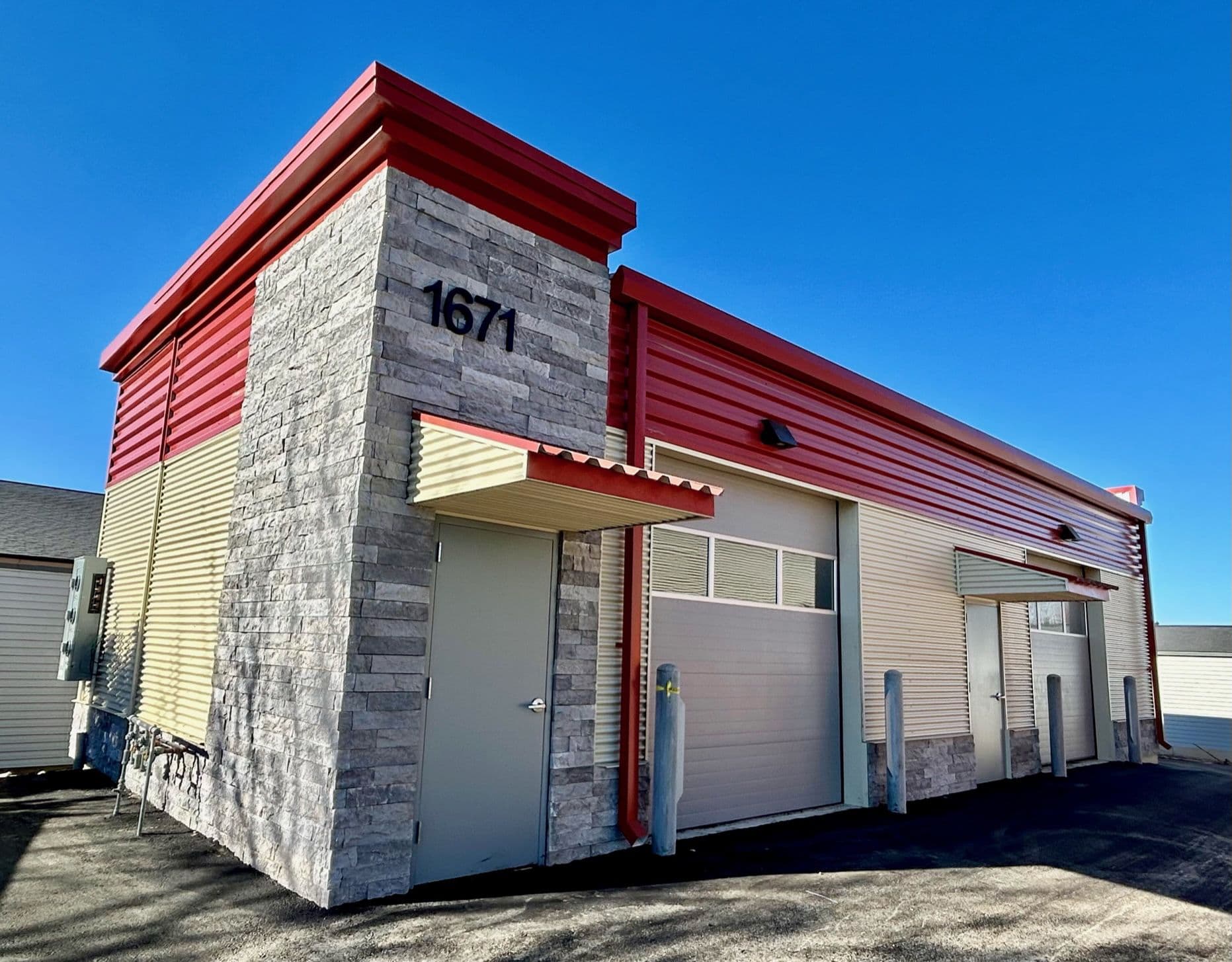
Roofing for multi-tenant flex buildings where penetrations multiply, tenants change, and the membrane has to outlast a dozen lease cycles.
The most variable roof in the commercial inventory
Industrial flex is the building type that refuses to hold still. One bay is a light-manufacturing shop, the next is a distribution tenant, the next is a maker studio or a startup's prototype lab, and the bay configuration changes again when the leases roll over. The roof has to perform across all of that, which makes flex roofing less about one membrane choice and more about managing a deck that has absorbed years of change. Every tenant that came and went left penetrations, equipment curbs, and modifications behind, and the roof has to be sound across the whole footprint regardless of who is in which bay this year.
San Francisco's flex inventory clusters in the city's working corridors. The Bayview and Bayshore Boulevard industrial belt holds the largest concentration, the Islais Creek and Cesar Chavez area mixes flex with distribution and food production, and the Dogpatch and outer SoMa have been steadily converting older light-industrial buildings into flex space for makers, fabricators, and tech-adjacent users. The stock ranges widely too, from 1970s tilt-wall buildings still carrying built-up roofs to newer pre-engineered metal buildings with standing-seam roofs. The right reroof depends on the deck, the existing assembly, and what the current tenants can tolerate for disruption.
Penetrations are the defining headache
Multi-tenant flex roofs carry a problem single-user industrial buildings avoid: tenant improvement work that keeps adding rooftop units, cutting the membrane for new electrical and HVAC runs, and setting equipment that was never in the original roof loading plan. Most of those modifications never make it into the property records. That is why every flex roofing scope we run starts with a penetration inventory survey before any work begins. We photograph and map every penetration on the roof, compare it to the original construction documents where they exist, and flag the non-standard or improperly sealed penetrations that need remediation before new membrane goes down. Doing that survey up front is also how we keep warranty disputes from surfacing after the project closes.
Matching the system to the building
For tilt-wall and concrete flex buildings, our standard is 60-mil TPO mechanically attached over tapered polyiso, which handles the typical loads and corrects the drainage problems older flex roofs accumulate. On buildings with heavy rooftop equipment density or constant foot traffic from multiple tenants' HVAC contractors, we step up to 80-mil TPO or 60-mil PVC fully adhered for the added puncture and traffic resistance. Pre-engineered steel buildings are a different conversation: depending on panel condition, purlin spacing, and load capacity, a standing-seam recover, a coated-metal system, or a retrofit standing-seam can extend service life without a full teardown.
Coordinating across tenants and warranties
Multi-tenant coordination starts with a bay-by-bay occupancy map and a lease-contact list from property management. We identify which tenants have active rooftop equipment, which bays sit empty, and which tenants are sensitive to noise or HVAC downtime during the work. Sequencing and daily dry-in plans run through property management, and tenants get advance notice but communicate through the manager rather than directly with the crew. Warranty coordination matters here too, because a roof that crosses many tenant areas and many penetrations needs a single clear warranty path, and we register and document the system so future tenant work does not quietly void it.
Vacancy transitions are where leaks start
Lease turnover is the riskiest moment for a flex roof. When a tenant leaves and pulls their rooftop units, the open curbs are usually covered with temporary protection that fails within a rain event or two, and this is a wet city for much of the year. A flex inspection during a lease transition should always confirm curb-cap status, verify that the departed tenant's penetrations are properly sealed, and check that the drains are clear, because vacant bays collect debris faster than occupied ones. For portfolio owners, we provide standardized condition reports across properties so flex roofs can be planned for capital the same way every cycle.
Drainage on aging low-slope flex roofs
Most San Francisco flex buildings are low-slope, and low slope plus age plus a wet winter is how you get ponding. Older tilt-wall roofs settle, drains clog, and decades of added equipment block the original drainage paths, so water sits where it should be moving. Ponded water adds dead load, accelerates membrane aging, and finds the weakest seam, and in this climate it sits long enough to matter. On a reroof we usually build tapered insulation to re-establish positive slope to the drains, and on a maintenance scope we clear and re-detail the drains and scuppers so the roof actually sheds. Getting water off the roof is the single biggest factor in how long a flex membrane lasts.
Skylights, screen walls, and the rest of the flex roofscape
Flex roofs carry more than HVAC. Older buildings often have aging skylights and smoke hatches that have gone brittle and leak at their curbs, newer tenant build-outs add rooftop screen walls and equipment platforms, and electrical and data runs cross the roof to serve subdivided bays. Each of those is a penetration or an attachment that has to be flashed and maintained, and skylights in particular are a frequent leak source that the original penetration survey flags. We fold these items into the scope rather than treating them as someone else's problem, so the whole roofscape is accounted for and the warranty covers the building as it actually exists today, not as it was originally drawn.
Common questions about industrial flex roofing
How do you handle undocumented tenant penetrations?
Our pre-project survey photographs and maps every penetration, compares it to the original drawings where available, and flags any non-standard or improperly sealed openings for remediation before new membrane goes on. That prevents warranty disputes after completion.
What membrane is best for a multi-tenant flex building?
60-mil TPO mechanically attached over tapered polyiso is the standard for tilt-wall and concrete buildings. Where equipment density or contractor traffic is high, 80-mil TPO or 60-mil PVC fully adhered is worth the added puncture and traffic resistance.
How do you coordinate across tenants with different schedules?
We start from a bay-by-bay occupancy map and lease-contact list, identify active equipment and downtime-sensitive tenants, and run all sequencing and notice through property management rather than direct tenant contact.
How do you price flex roofing for owners and managers?
Per roof square based on membrane spec, assembly condition, penetration density, and bay configuration, after a roof walk and core sample where needed. Portfolio owners get standardized condition reports for capital planning.
Do you handle standing-seam metal on pre-engineered buildings?
Yes. We evaluate recover options, including silicone-coated metal and retrofit standing-seam, against full replacement based on panel condition, purlin spacing, and load capacity, and install both approaches.
Request A Roof Scope
Send the building location, roof concern, and access notes. We will respond with the next practical step.
Related Pages
Questions About Industrial Flex Space Roofing
What changes the scope?
Access, wet insulation, deck repairs, edge metal, drain work, occupied-building constraints, disposal, and code documentation can all change the final path.
Can the building stay occupied?
Often, yes. The scope still needs rules for loading, noise, odors, tenant notices, daily dry-in, and emergency contact responsibilities.
When is coating realistic?
A coating is realistic only when the roof is dry, cleanable, compatible, properly detailed, and still structurally sound.
What should ownership receive?
A usable roof file should include photos, observed conditions, assumptions, near-term repairs, capital triggers, and the recommended next step.