
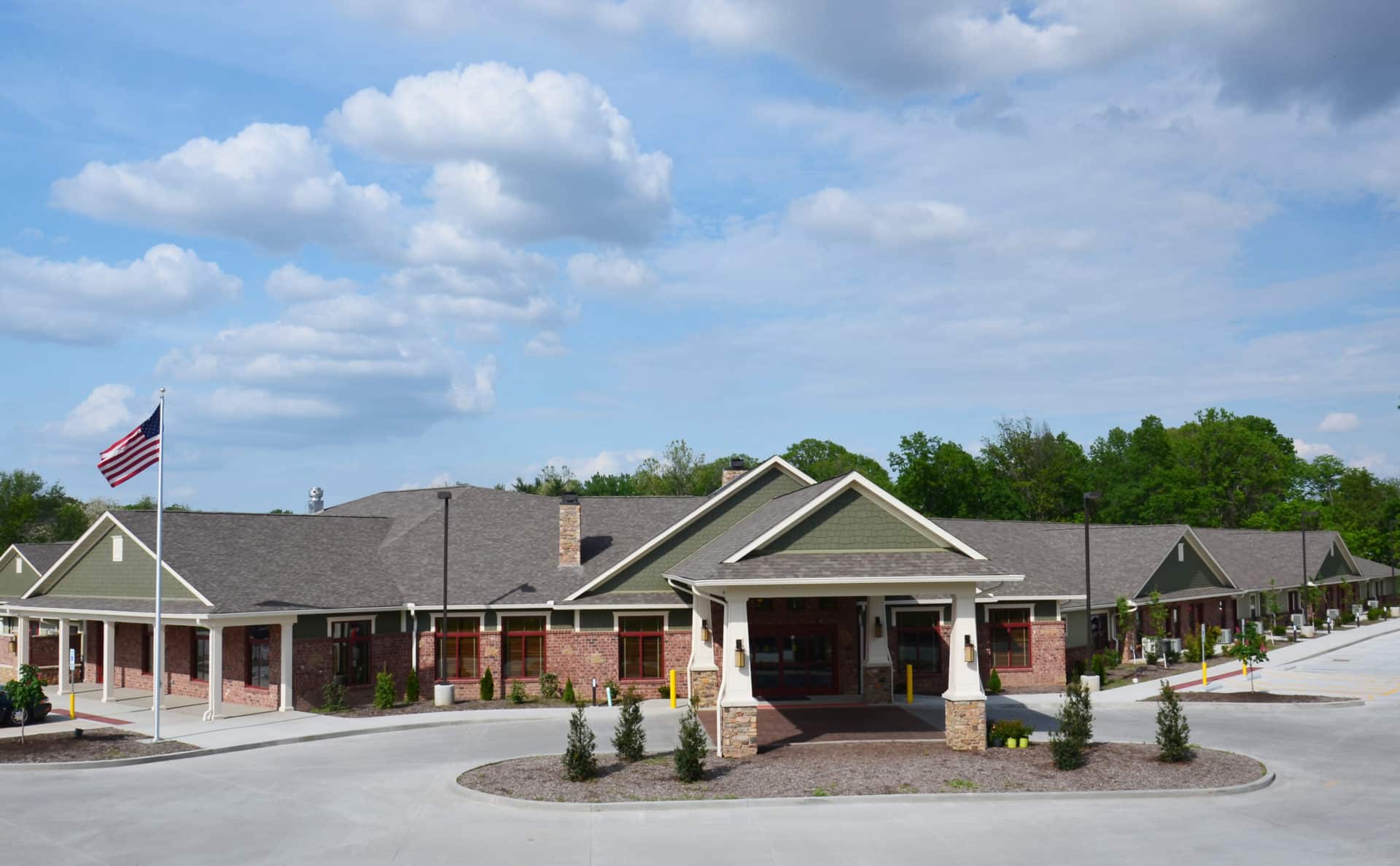
Senior Living Facility Roofing in San Francisco, CA is regulated by Life Safety Code requirements, CMS compliance standards, and state health agency rules that apply to skilled nursing, assisted living, and memory care facilities. Any roofing work at a licensed senior living facility in San Francisco must be coordinated with the facility administrator and the infection control program before work begins. Dust, debris, and airborne particulates entering resident spaces from an open roof section can trigger a state inspection finding, regardless of how minor the contractor's activity appears from the outside.
Occupied building sequencing for senior living facility roofing means working wing by wing, building a temporary protection system over each open section before residents below are exposed to weather risk, and restoring roof integrity before moving to the next phase. HVAC systems at senior living facilities in San Francisco must maintain continuous temperature and humidity control for resident comfort and infection prevention. Any roofing activity that disrupts mechanical equipment, penetrations, or unit curbs requires advance coordination with the facility's maintenance director and an approved contingency plan for occupied wing protection.
Regulatory inspections by CMS surveyors and state licensing agencies create real stakes for senior living facility roofing documentation. A roof in poor condition can appear as a maintenance deficiency in a survey report, which can affect the facility's operational license. Commercial Roofing provides roof condition documentation that uses plain language accessible to non-technical reviewers, photographs that show the current state of each roof section, and a priority-ranked repair or replacement recommendation that facility ownership can present to a board or equity partner.
Regional senior housing operators in San Francisco, including assisted living portfolios, nonprofit continuing care retirement communities, and publicly funded skilled nursing facilities, all require contractors who understand both the technical and regulatory dimensions of senior living facility roofing. Call or reach us at to discuss a roofing assessment for your San Francisco senior living property.
Questions Owners Ask
CMS conditions of participation, state health agency licensing standards, and NFPA Life Safety Code requirements all create roofing-adjacent obligations that affect how work is sequenced, documented, and reported.
We coordinate with the infection control officer, seal off roof access points to prevent dust entry, and limit open sections to areas that can be isolated from HVAC return air paths serving resident spaces.
Yes, but only with a phased plan that keeps each open section protected at the end of every work day and maintains HVAC continuity for resident comfort and regulatory compliance.
A written scope, contractor insurance certificates, an infection control plan, daily work logs, and a final condition report with photographs. CMS surveyors may ask to see contractor documentation during a survey visit.
Can work happen while the building remains occupied?
Often, yes. We still need a plan for noise, odor, loading, tenant notices, pedestrian controls, daily dry-in, and emergency contact rules before work begins.
How do we know whether a coating is realistic?
A coating is realistic only when the roof is dry, cleanable, compatible, properly detailed, and still structurally sound. Adhesion, moisture, slope, and seam condition decide that.
Will Title 24 affect the roof scope?
It can. Nonresidential reroofing, recover, or recoating work may require cool-roof documentation, reflectance, thermal emittance, SRI, or insulation review depending on the project path.
What should ownership receive after the roof walk?
A useful roof file includes photos, observed conditions, active leak notes, near-term repairs, capital triggers, access assumptions, exclusions, and the recommended next step.
Request A Roof Scope
Send the building location, roof concern, and access notes. We will respond with the next practical step.
Related Pages
Questions About Senior Living Facility Roofing
What changes the scope?
Access, wet insulation, deck repairs, edge metal, drain work, occupied-building constraints, disposal, and code documentation can all change the final path.
Can the building stay occupied?
Often, yes. The scope still needs rules for loading, noise, odors, tenant notices, daily dry-in, and emergency contact responsibilities.
When is coating realistic?
A coating is realistic only when the roof is dry, cleanable, compatible, properly detailed, and still structurally sound.
What should ownership receive?
A usable roof file should include photos, observed conditions, assumptions, near-term repairs, capital triggers, and the recommended next step.